
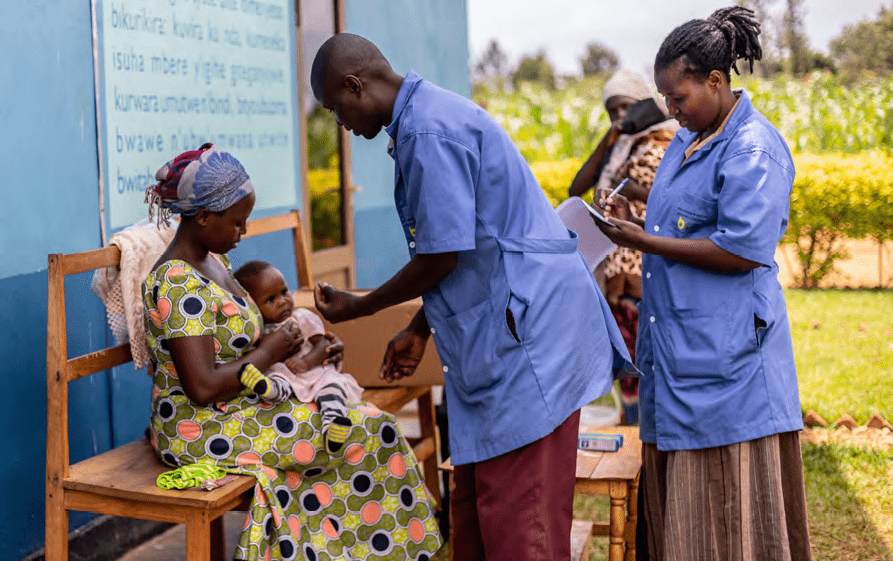
Respectful maternity care is a fundamental component of quality healthcare, ensuring that every woman is treated with dignity, compassion, and respect throughout pregnancy and childbirth. However, many women delivering in public health facilities continue to report poor communication, lack of privacy, neglect, and, in some cases, disrespectful or abusive treatment. While training healthcare workers has long been viewed as the primary solution, new evidence from South Africa suggests that improving workplace culture may be equally important.
Looking Beyond Individual Training
Healthcare workers do not provide care in isolation. Their interactions with patients are shaped by the environments in which they work, including staffing levels, leadership, teamwork, communication, and organizational support. High workloads and limited resources can make it difficult for even well-trained professionals to consistently provide respectful care.
Recognizing these challenges, researchers examined whether strengthening organizational culture could improve women’s childbirth experiences. Their study, conducted in nine rural district hospitals in KwaZulu-Natal Province, is among the first to evaluate how workplace culture influences respectful maternity care.
The STAR Intervention
The researchers implemented the Strengthening Teamwork and Respect (STAR) intervention over one year. Rather than focusing solely on clinical skills, STAR encouraged multidisciplinary teams including nurses, midwives, doctors, managers, and support staff to work together in identifying challenges within their maternity units and developing practical solutions.
Local staff champions were selected to facilitate discussions and guide improvement activities. Through regular meetings, healthcare teams reflected on workplace challenges, strengthened communication, promoted teamwork, and implemented locally relevant change projects aimed at improving women’s experiences during childbirth.
What Did the Study Find?
To evaluate the intervention, researchers surveyed more than 1,800 women who had recently given birth and over 200 healthcare workers before and after the programme.
The findings showed improvements in person-centered maternity care, particularly in areas related to communication, autonomy, and supportive care. More women reported that healthcare providers clearly explained medical procedures, sought consent before examinations, and involved them in decisions about their care. Women also described shorter waiting times, greater trust in healthcare providers, and a more positive childbirth experience overall.
Although the improvements were modest, they demonstrate that strengthening teamwork and organizational culture can positively influence the quality of maternity care.
Supporting Women During Childbirth
One of the most notable achievements of the STAR programme was increasing access to birth companions.
Before the intervention, most women reported that they were not allowed to have a companion of their choice during labour. Following the programme, participating hospitals introduced practical measures such as issuing identification badges for companions, establishing confidentiality agreements, and sensitizing security personnel. These relatively simple changes enabled more women to receive emotional support during childbirth, contributing to a more positive care experience.
Greater Benefits for Vulnerable Women
The intervention appeared to have the greatest impact on women who often face the greatest barriers to quality healthcare.
Women from poorer households experienced larger improvements than those from wealthier households. Similarly, women who had attended fewer antenatal care visits reported greater gains in respectful maternity care after the intervention. These findings suggest that organizational improvements can help reduce inequalities in maternal healthcare and improve experiences for vulnerable populations.
Strengthening Health Systems from Within
The study also explored how the intervention affected healthcare workers themselves. Staff reported stronger teamwork, improved communication, greater openness to learning, and increased confidence in identifying and solving workplace challenges. Creating opportunities for reflection and collaboration helped build a stronger organizational learning culture, enabling healthcare workers to become active participants in improving service delivery.
While challenges such as staff shortages and heavy workloads remain, the findings suggest that supportive workplace environments can complement clinical training and contribute to better patient experiences.
Key Takeaways
The study demonstrates that respectful maternity care is not only influenced by the knowledge and skills of individual healthcare workers but also by the organizational culture in which they operate. Investing in teamwork, supportive leadership, and continuous learning can create healthier work environments and improve the quality-of-care women receive during childbirth.
For policymakers and health system leaders, the message is clear: improving maternal healthcare requires looking beyond technical training to address the workplace conditions that shape how care is delivered. Empowering healthcare teams to lead change from within may be a practical and sustainable strategy for promoting respectful, equitable, and person-centered maternity care.
Source: Adapted from The Conversation article, “Respectful maternity care starts with improving hospital culture: lessons from rural South Africa,” published on 4 August 2026.