
TACKLING POVERTY IN AN ERA OF OVERLAPPING CRISES: LESSONS FOR POLICYMAKERS AND DEVELOPMENT PARTNERS
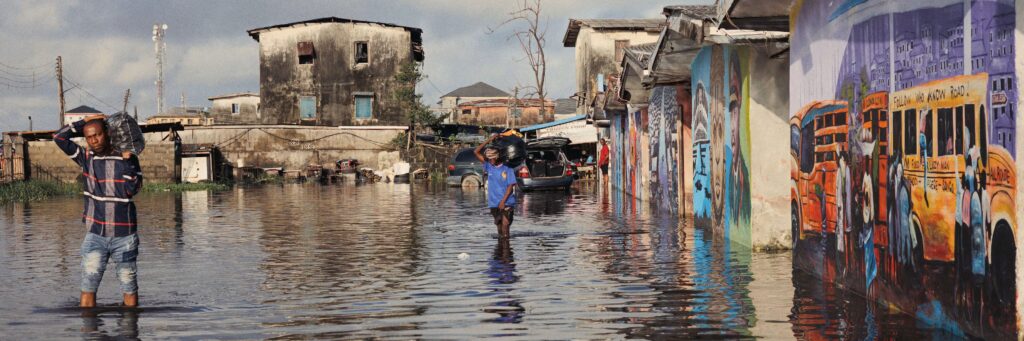
Poverty reduction efforts are becoming increasingly complex as countries face multiple and overlapping crises. Climate-related disasters, violent conflict, economic instability, and other shocks are no longer isolated events. Instead, they often occur simultaneously or in quick succession, creating what researchers describe as a “polycrisis.” These interconnected challenges are particularly severe in many low-income countries, where high poverty levels, weak institutions, and limited public resources constrain governments’ ability to respond effectively.
A recent publication by development researcher Vidya Diwakar explores how overlapping crises are reshaping poverty dynamics across Africa and Asia. Drawing on evidence from 15 high-poverty countries, the research examines how the interaction of climate shocks, conflict, and economic disruptions can trap households in long-term poverty while also identifying pathways through which some individuals and communities manage to improve their livelihoods despite these challenges.
Understanding Poverty in a Polycrisis
Traditional poverty analysis often examines the effects of individual shocks, such as droughts, conflict, or economic downturns, separately. However, the study argues that the cumulative impact of multiple crises can be far more damaging than any single event.
For example, a household affected by drought may be able to recover by rebuilding assets once weather conditions improve. However, if drought is followed by rising food prices, economic instability, or conflict, recovery becomes significantly more difficult. These overlapping pressures can force households into debt, reduce access to income-generating opportunities, and increase vulnerability to future shocks.
The research highlights that such compounding crises are pushing many already-poor households into deeper deprivation while also increasing the number of people falling into poverty for the first time.
The Role of Governments and Development Partners
The study suggests that some policy responses unintentionally worsen the situation for vulnerable populations.
One challenge is the adoption of austerity measures during periods of economic stress. In some cases, policy reforms designed to stabilize economies have been implemented without sufficient social protection measures, leaving poor households exposed to rising living costs and reduced access to essential services.
The research also notes that responding to crises individually rather than collectively can limit the effectiveness of interventions. Addressing one challenge without considering its interaction with other risks may create unintended consequences and reduce the resilience of affected communities.
At the same time, declining levels of international development assistance pose additional risks for countries already struggling to respond to multiple shocks. Reduced aid flows may limit investments in poverty reduction, social protection, and resilience-building initiatives.
Building More Effective Responses
The publication calls for a shift from isolated crisis management towards integrated approaches that recognize the interconnected nature of today’s challenges.
Key policy recommendations include strengthening social protection systems, expanding cash transfer Programmes, improving early warning systems, and investing in disaster preparedness, particularly in rural and underserved communities. The research also highlights the importance of peacebuilding initiatives that address the root causes of conflict while supporting long-term poverty reduction.
Creating inclusive economic opportunities is another critical priority. Many households escape poverty through local livelihood strategies, entrepreneurship, agricultural adaptation, and diversification into non-farm activities. Supporting these pathways can strengthen resilience and reduce vulnerability to future shocks.
The study further emphasizes the importance of maintaining international support for low-income countries. In addition to predictable aid flows, measures such as improved domestic revenue mobilization and debt restructuring can help governments sustain investments in social and economic development.
The Contribution of Civil Society and the Private Sector
The research highlights the important role that non-state actors can play in responding to overlapping crises. Civil society organizations, community-based groups, and private sector actors can support resilience-building efforts, strengthen disaster preparedness, and help communities adapt to changing economic and environmental conditions.
Beyond service delivery, these organizations can help ensure that policy responses reflect the lived experiences of vulnerable populations. By acting as intermediaries between communities and decision-makers, they can contribute to more inclusive and effective development interventions.
Key Takeaway
The study demonstrates that poverty in today’s world is increasingly shaped by the interaction of multiple and overlapping crises. Climate change, conflict, and economic instability are creating new forms of vulnerability that cannot be addressed through isolated policy responses. Tackling poverty effectively will require coordinated action across sectors, stronger social protection systems, sustained investment in resilience, and collaboration among governments, development partners, civil society, and the private sector.
Source: Adapted from The Conversation article, “How can governments tackle poverty when climate change, conflict and economic shocks hit all at once?“ published on 12 August 2026.