
RETHINKING FOOD WASTE IN SOUTH AFRICA:
FROM LANDFILLS TO SUSTAINABLE SOLUTIONS
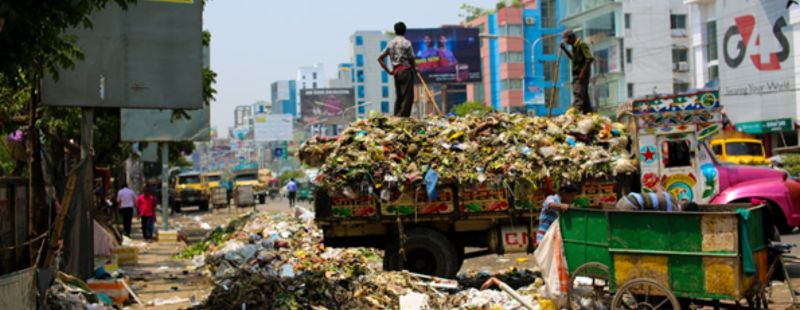
Food waste has become one of South Africa’s most pressing yet overlooked environmental and socio-economic challenges. Each year, millions of tonnes of edible and organic material are discarded, with the majority ending up in landfill sites. This practice not only strains already limited landfill capacity but also deepens environmental harm, worsens food insecurity, and imposes significant hidden costs on the economy. Recent research examining food waste management in South Africa highlights the urgent need to move away from landfilling and towards more sustainable, circular solutions that can deliver economic, social, and environmental benefits.
THE SCALE OF THE PROBLEM
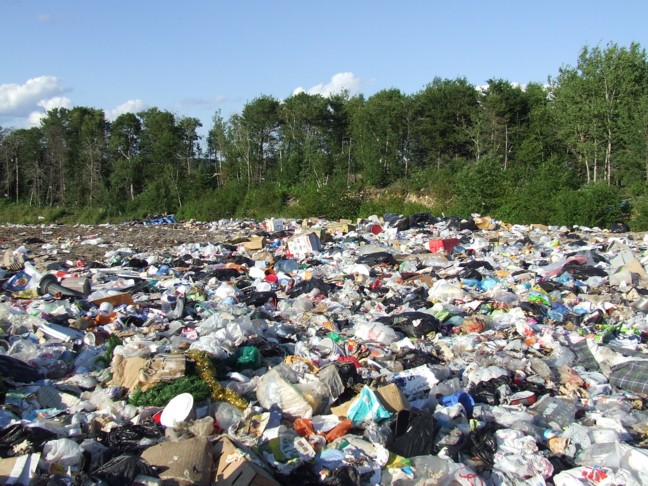
Landfilling remains the dominant waste disposal method in South Africa, with approximately 10 million metric tonnes of waste dumped annually. Organic waste represents the largest fraction of this total, accounting for about 27% of general waste, with food waste making up a substantial share. This reliance on landfills is becoming increasingly unsustainable. Many landfill sites are nearing capacity, while inadequate planning, weak enforcement of recycling policies, and high transport costs contribute to illegal dumping. The impacts are unevenly distributed, disproportionately affecting low-income communities and informal waste pickers who often live and work near dumping sites. Food waste presents additional ethical and environmental concerns.
Despite widespread hunger and food insecurity affecting millions of people, large volumes of food are wasted across the value chain. When organic waste decomposes in landfills, it releases greenhouse gases, generates odors and attracts pests, further degrading local environments and public health.
THE HIDDEN COST OF LANDFILLING

SUSTAINABLE ALTERNATIVES TO LANDFILLING


The study evaluated several alternative food waste management options, each offering different
benefits and trade-offs:
- Composting, particularly windrow composting, can generate value through compost sales and reduced reliance on chemical fertilizers.
In-vessel composting produces high-quality compost with minimal emissions but remains relatively costly. - Anaerobic digestion enables the capture of biogas for energy while producing digestate that can enhance soil quality, although it requires significant upfront investment.
- Vermicomposting uses earthworms to convert organic waste into nutrient-rich soil amendments
and high-protein biomass for animal feed. - Black soldier fly processing converts food waste into protein-rich animal feed and organic fertilizer, offering strong economic returns with low environmental impact.
- Among these options, black soldier fly processing demonstrated the highest overall net benefits from a social and economic perspective, while anaerobic digestion performed best in terms of environmental outcomes. A combined approach using both methods emerged as a particularly promising solution.
IMPLICATIONS FOR POLICY AND PRACTICE
